
Efficient and suitable action can be the difference between life and death in any emergency scenario. This is particularly true in the case of pediatric patients, whose physiology and reactions to trauma may differ from those of adults. The vital training course known as the Paediatric Basic Life Support Course equips participants with the information and abilities needed to react quickly to pediatric emergencies.
Why the Paediatric Basic Life Support Course Matters
Particularities of Paediatric Anatomy and Physiology: Kids aren’t merely tiny versions of adults. Their distinct anatomical and metabolic characteristics necessitate a different approach while giving life support. Their bodies have an altered fluid and electrolyte balance, their skin is thinner, and their airways are smaller. Participants in a Paediatric Basic Life Support Course are trained on these subtleties, guaranteeing that the child receives the best care possible in an emergency.
Increase in Survival Rates: Early and effective basic life support has been proven to drastically improve survival rates in emergency situations. For children, whose systems can deteriorate rapidly, this early intervention becomes even more vital.
Empowering Parents, Teachers, and Caregivers: Many paediatric emergencies happen at home or in school settings. By equipping parents, teachers, and other caregivers with the skills taught in the Paediatric Basic Life Support Course, we’re ensuring that more children have immediate access to effective life-saving care.
Reducing Long-term Complications: Prompt and appropriate basic life support can not only save a child’s life but can also reduce the risk of long-term complications and disabilities resulting from prolonged oxygen deprivation or other trauma.
Boosting Community Safety: Having more individuals in the community trained in paediatric basic life support course strengthens the overall safety net for our children. Whether at a park, a community event, or even just a neighbour’s house, children are better protected when more adults know how to respond to emergencies.
Course Components
A standard Paediatric Basic Life Support Course will typically cover:
Assessment of the situation: How to quickly gauge the situation, ensuring safety for both the rescuer and the child.
CPR for infants and children: A hands-on practice session on manikins to perfect the technique, ensuring the right depth and frequency of compressions tailored to the child’s age and size.
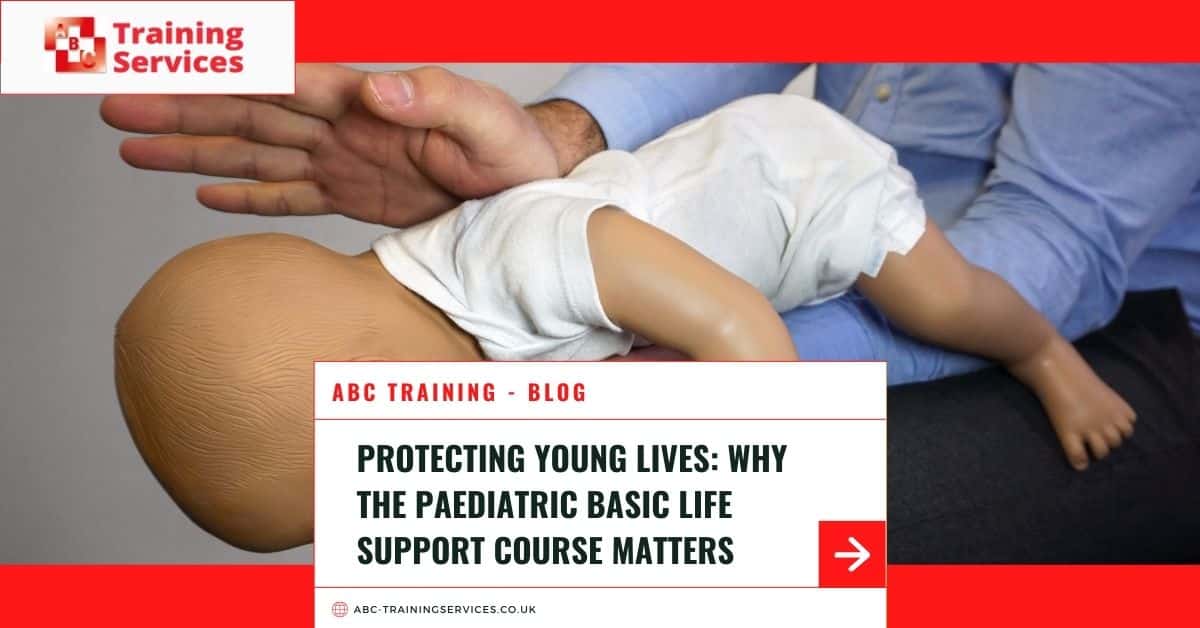
Choking: Techniques for relieving choking in conscious and unconscious infants and children.
Use of automated external defibrillators (AEDs): While AEDs are designed for ease of use, specific training on their paediatric applications can boost confidence and efficacy in a crisis.
Recovery positions: Appropriate positioning of a child post-resuscitation or when they’re unconscious but breathing.
Conclusion
In the field of pediatric health, the Paediatric Basic Life Support Course is a shining example of safety and empowerment. It is our collective duty to protect the lives of children, and with the appropriate training, we can have a big impact. Devoting time towards acquiring these fundamental abilities guarantees that in dire circumstances, we are equipped to respond quickly and rescue lives.


