
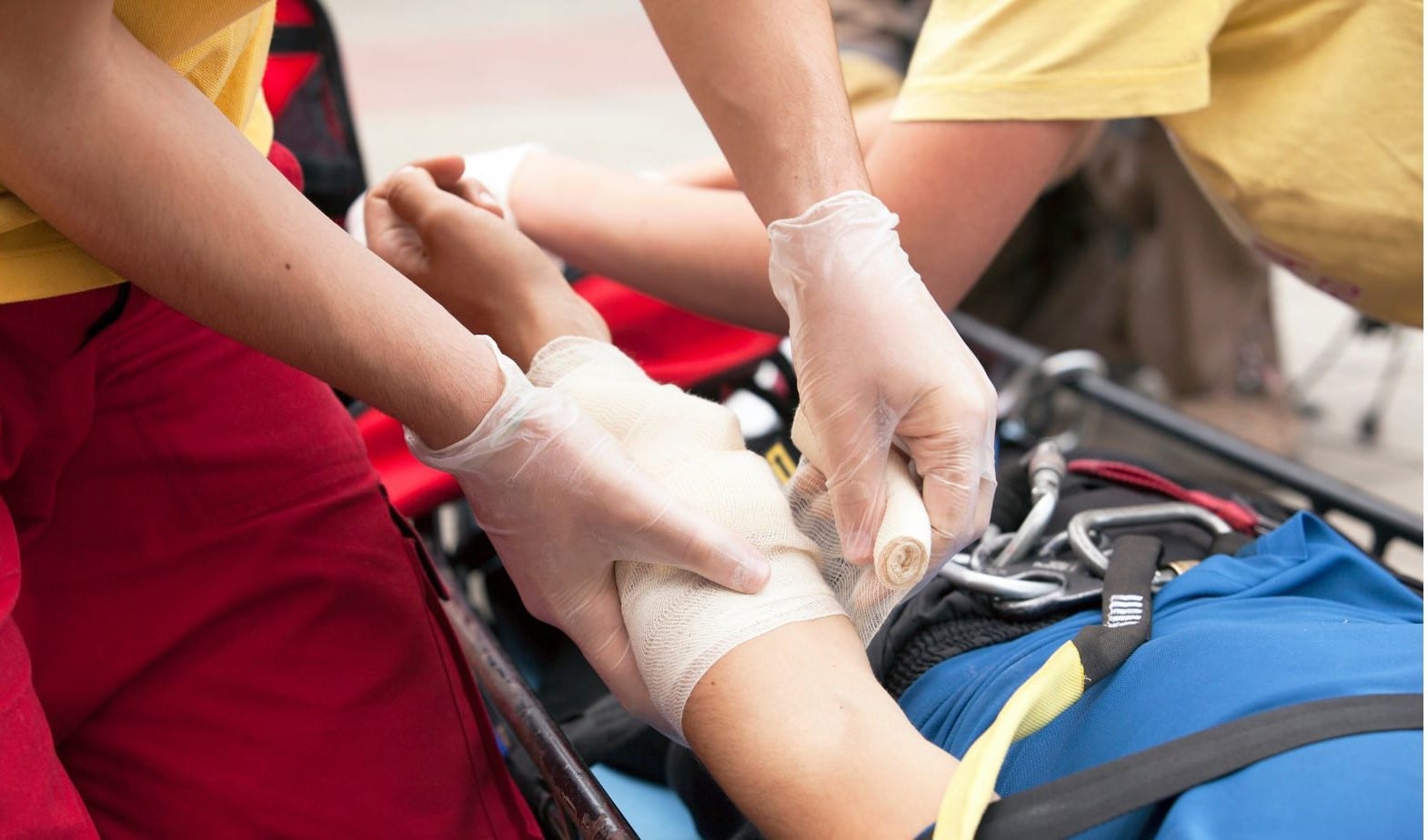
First aid awareness training is an essential component of workplace safety. Emergencies can happen at any time and having employees who are equipped with the skills and knowledge to respond can mean the difference between life and death. That’s where ABC Training Services comes in.
With their first aid training courses, they provide employees with the tools they need to respond to emergencies with confidence. In this article, we’ll explore the benefits of first aid awareness training, the topics covered in training, workplace-specific scenarios, training methods used by ABC Training Services, the role of first aid equipment and responders, and more.
By the end of this article, you’ll understand why first aid awareness training is a crucial investment for any workplace, and how ABC Training Services can help ensure your employees are prepared for any emergency.
The Benefits of First Aid Awareness Training
First aid awareness training is a critical investment for any workplace. It provides employees with the skills and knowledge they need to respond quickly and confidently to emergency situations. Here are some of the key benefits of first aid awareness training:
- Increased Safety: One of the most significant benefits of first aid awareness training is increased safety in the workplace. By providing employees with the tools to respond to emergencies, companies can minimise the risk of accidents and injuries, potentially saving lives.
- Reduced Liability: Companies that invest in first aid awareness training for their employees may also see a reduction in liability. If an accident or emergency occurs, having employees who are trained in first aid can help mitigate the severity of the situation, potentially reducing the risk of legal action against the company.
- Improved Employee Confidence: First aid awareness training can also improve employee confidence. By providing employees with the skills and knowledge to respond to emergencies, companies can help employees feel more empowered and prepared in their day-to-day work. This can lead to a more positive workplace culture and increased job satisfaction.
Several statistics and case studies demonstrate the impact of first aid awareness training in the workplace. For example, a study by the National Safety Council found that workplaces with employees trained in first aid had a 40% lower fatality rate than those without trained employees. Additionally, a survey by the American Red Cross found that 55% of employees felt more confident in their ability to respond to an emergency after completing a first aid training course.
In conclusion, first aid awareness training provides numerous benefits to employees and employers alike. By investing in this training, companies can improve workplace safety, reduce liability, and increase employee confidence.
First Aid Awareness Training: What It Covers
First aid awareness training covers a range of topics that are designed to provide employees with the knowledge and skills needed to respond to emergency situations in the workplace. Some of the key topics covered in first aid awareness training include:
CPR (Cardiopulmonary Resuscitation): CPR is a technique used to maintain blood flow and oxygenation in the body when someone’s heart has stopped beating. It involves chest compressions and rescue breaths, and can be a crucial lifesaving technique in a variety of emergency situations.
AED (Automated External Defibrillator) Use: An AED is a device that can be used to restore a normal heartbeat in someone who is experiencing cardiac arrest. First aid awareness training covers how to use an AED safely and effectively.
Bleeding Control: First aid training covers techniques for controlling bleeding, such as applying pressure, elevating the affected limb, and using a tourniquet if necessary.
Choking Management: Choking is a common emergency situation that can be life-threatening if not treated quickly. First aid awareness training covers techniques for identifying and treating choking, such as the Heimlich maneuver.
Recovery Position: The recovery position is a technique used to keep an unconscious but breathing person stable and safe. It involves placing the person on their side with their head tilted back and their airway open.
Basic Life Support: Basic life support refers to a set of skills that are used to maintain vital signs and support the body’s functions in emergency situations. This can include performing CPR, using an AED, and managing airway and breathing.
By providing employees with training in these and other key topics, companies can ensure that their employees are equipped with the knowledge and skills needed to respond to a range of emergency situations. These skills can be applied in a variety of workplace environments and job roles, and can be crucial for maintaining the safety and well-being of both employees and customers.
Workplace-Specific First Aid Awareness Training
While the topics covered in first aid awareness training are universal, the application of these skills can vary depending on the specific workplace environment and job role. That’s why it’s important to tailor first aid awareness training to meet the unique needs of each workplace. Here are some ways that first aid awareness training can be tailored to specific workplace environments and job roles:
- Industry-Specific Training: Certain industries may have specific risks and hazards that require specialised first aid awareness training. For example, construction workers may need training in handling injuries related to heavy equipment or falls from heights, while healthcare workers may need training in handling infectious disease outbreaks.
- Role-Specific Training: Different job roles within the same workplace may require different levels of first aid awareness training. For example, managers may need training in leadership and decision-making during emergency situations, while frontline workers may need training in hands-on first aid skills.
- Scenario-Specific Training: Workplace-specific scenarios can be covered in first aid awareness training to ensure that employees are prepared to respond to the specific emergencies they may encounter. For example, a restaurant may provide training on how to respond to choking or food poisoning, while a warehouse may provide training on how to handle accidents involving heavy machinery.
By providing workplace-specific first aid awareness training, companies can ensure that their employees are prepared to respond to emergencies in a way that is relevant to their specific work environment and job role. This can increase employee confidence and improve the overall safety of the workplace.
In conclusion, workplace-specific first aid awareness training is essential for ensuring that employees have the knowledge and skills needed to respond to emergencies in a way that is relevant to their specific workplace environment and job role. By tailoring first aid awareness training to meet the unique needs of each workplace, companies can improve workplace safety and reduce the risk of accidents and injuries.
First Aid Awareness Training Methods
ABC Training Services uses a variety of training methods to ensure that learners receive a comprehensive and effective first aid awareness training experience. Here are some of the methods used:
- Classroom Instruction: Classroom instruction is a traditional training method that involves a trainer presenting information to learners in a classroom setting. This method is used to provide learners with a solid foundation of theoretical knowledge.
- Hands-on Practice: Hands-on practice involves learners physically practicing first aid techniques under the guidance of a trainer. This method is used to reinforce key concepts and build muscle memory, allowing learners to respond confidently and effectively in real-life emergency situations.
- Simulation Exercises: Simulation exercises involve creating realistic scenarios in a controlled environment to help learners practice their skills and decision-making abilities. This method is used to create a safe space for learners to practice responding to emergencies in a realistic and immersive way.
Each training method used by ABC Training Services is designed to reinforce key concepts and build confidence in learners. Classroom instruction is used to provide learners with the foundational knowledge they need to understand first aid techniques, while hands-on practice allows learners to develop their skills in a safe and supportive environment. Simulation exercises provide learners with the opportunity to apply their knowledge and skills to realistic scenarios, allowing them to practice their decision-making and problem-solving abilities in a way that mimics real-life emergencies.
By using a combination of training methods, ABC Training Services ensures that learners receive a comprehensive and effective first aid awareness training experience. This approach helps learners develop the confidence and competence they need to respond effectively to a wide range of emergency situations, improving workplace safety and reducing the risk of accidents and injuries.
The Importance of First Aid Equipment
First aid equipment is a critical component of workplace safety. It can be used in conjunction with first aid awareness training to improve emergency response and increase the likelihood of a positive outcome. Here are some of the reasons why first aid equipment is important:
Types of Equipment: First aid equipment can take many forms, from basic items such as bandages and gauze to more advanced equipment like defibrillators and oxygen masks. The type of equipment needed in a workplace will depend on the specific risks and hazards associated with the work environment.
Maintaining Equipment: It is important to maintain first aid equipment in good condition to ensure that it is ready for use when needed. This includes checking expiration dates on supplies, replacing expired or damaged items, and performing regular inspections to ensure that equipment is in good working order.
Using Equipment: In conjunction with first aid awareness training, first aid equipment can be used to quickly and effectively respond to emergency situations. For example, a defibrillator can be used to restart a person’s heart after cardiac arrest, while an oxygen mask can be used to help someone who is struggling to breathe.
By providing employees with access to first aid equipment and training them on how to use it, companies can improve their emergency response capabilities and increase workplace safety. This combination of equipment and training can be particularly effective in high-risk workplaces, where the likelihood of an emergency occurring is greater.
In conclusion, first aid equipment is a critical component of workplace safety. By providing employees with the appropriate equipment and training, companies can ensure that their employees are prepared to respond to emergency situations in a way that maximises the chances of a positive outcome. By maintaining equipment in good condition and providing regular training, companies can create a workplace culture that values safety and emergency preparedness.
The Role of First Aid Responders
First aid responders play a crucial role in responding to emergency situations in the workplace. Here are some of the key aspects of their role:
Identifying First Aid Responders: First aid responders are individuals who have received specialised first aid awareness training and have been designated as responsible for responding to emergency situations in the workplace. These individuals may be identified through a formal process, such as volunteering or being selected by management.
Training First Aid Responders: First aid responders must be trained on the specific risks and hazards associated with their workplace, as well as on the use of first aid equipment and techniques. Ongoing training is important to ensure that first aid responders are prepared to respond effectively in emergency situations.
Working with Other Emergency Responders: First aid responders may work in tandem with other emergency responders, such as EMTs or paramedics. In these situations, first aid responders can provide immediate assistance to the individual in need, while waiting for more advanced medical help to arrive.
By designating and training first aid responders, companies can improve their emergency response capabilities and increase the chances of a positive outcome in emergency situations. First aid responders can provide critical assistance in the first few minutes of an emergency, potentially saving lives or reducing the severity of injuries.
In addition, first aid responders can work effectively in tandem with other emergency responders, such as EMTs or paramedics. By providing immediate assistance to the individual in need, first aid responders can help stabilise the situation and make it easier for more advanced medical help to take over when they arrive.
In conclusion, first aid responders play a crucial role in responding to emergency situations in the workplace. By identifying and training individuals for this role, companies can improve their emergency response capabilities and increase the likelihood of a positive outcome in emergency situations. By working in tandem with other emergency responders, first aid responders can provide critical assistance and help save lives.
How to book First Aid Awareness Training
First aid awareness training is an essential component of workplace safety. By providing employees with the skills and knowledge they need to respond to emergencies, companies can increase workplace safety, reduce liability, and improve employee confidence.
In this article, we have explored the benefits of first aid awareness training, the topics covered in training, workplace-specific scenarios, training methods used by ABC Training Services, the role of first aid equipment and responders, and more. We have shown that by investing in first aid awareness training and equipment, companies can create a workplace culture that values safety and emergency preparedness.
We encourage employers to invest in first aid awareness training and equipment to improve workplace safety and reduce the risk of accidents and injuries. ABC Training Services offers a range of first aid training courses to meet the unique needs of each workplace. Their experienced trainers use a combination of classroom instruction, hands-on practice, and simulation exercises to provide learners with a comprehensive and effective first aid awareness training experience.
To learn more about ABC Training Services and their first aid training courses, visit their website at https://abc-trainingservices-co-uk.stackstaging.com/ or call them at 01283 845008. Investing in first aid awareness training and equipment is a critical step in creating a safer and more prepared workplace, and ABC Training Services is here to help.


